Understanding Theta Burst Stimulation: A Faster, Smarter Evolution of TMS
Brain stimulation is no longer unusual in mental health care. It’s now a common option for people who’ve been living with depression for a long time. One of the best-known methods is Transcranial Magnetic Stimulation, or TMS. It has been used around the world for many years and is well established in Australia.
Theta Burst Stimulation, or TBS, is not a brand-new idea. It’s a refined version of TMS. The main difference is how the treatment is delivered. The goal stays the same. Support healthier brain activity. The change is that it can now be done much faster.
How TMS Works
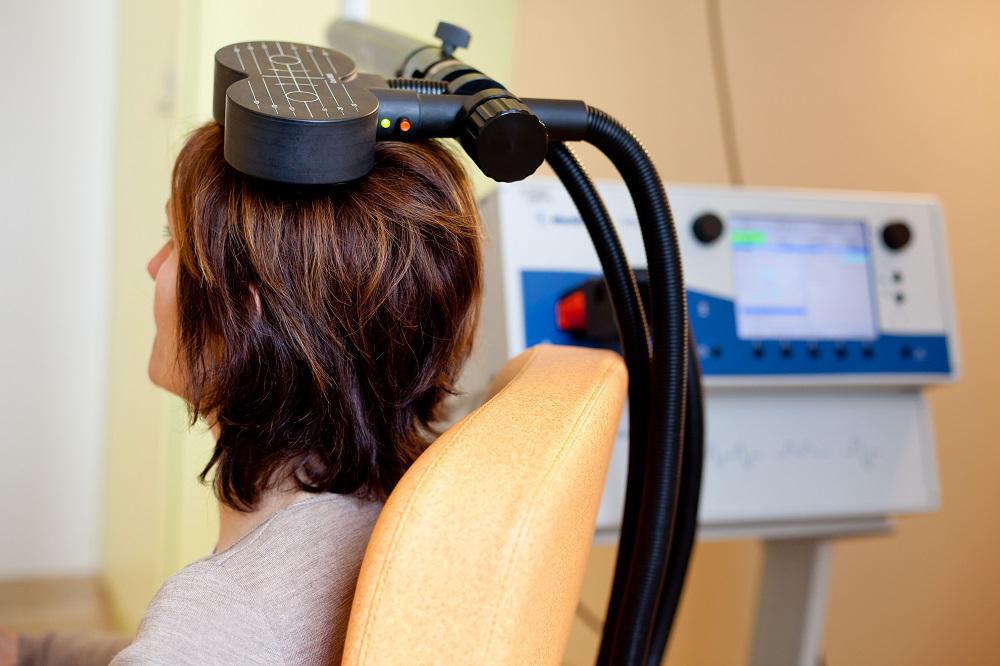
TMS uses magnetic pulses to stimulate specific areas of the brain. These areas are linked to mood, motivation, and focus. Most treatments target the front left side of the brain, which is often less active in people with depression.
In standard TMS, these pulses are delivered at a steady pace. Sessions are approximately 30 minutes. Over time, TMS researchers noticed something important. The brain doesn’t just respond to where stimulation happens. It also responds to timing. The speed and spacing of the pulses matter.
That observation opened the door to newer approaches.
What Makes Theta Burst Stimulation Different
Theta Burst Stimulation uses the same target area as traditional TMS. The change is in the rhythm. Instead of one steady stream of pulses, the treatment is given in short bursts. These bursts follow patterns the brain already uses during learning and memory.
Because of this timing, the brain responds more quickly. A full session can take just a few minutes. That’s a big shift from the longer sessions many people associate with TMS. Clinics offering TMS in Sydney now often include TBS as an option, using the same machines but updated settings backed by research.
Why Shorter Sessions Matter
Shorter sessions make TMS treatment easier to manage. Many people need daily sessions over several weeks. Spending only a few minutes in the chair makes the treatment more efficient and more tolerable for people.
People often say shorter appointments feel less draining. It’s easier to stay committed when treatment fits into daily life. Clinics also benefit, as they can schedule more flexibly without lowering care standards. Patients attending a depression clinic in Sydney often find this makes it easier to complete the full course.
Safety and Side Effects
Theta Burst Stimulation follows the same safety rules as standard TMS. Before starting, patients are carefully screened. This helps rule out risks such as a history of seizures or certain implanted devices.
Side effects are usually mild. Some people notice scalp soreness or a headache, especially early on. These effects often fade as sessions continue. Many people looking into depression treatment in Sydney appreciate that TBS doesn’t cause the whole-body side effects linked to medication, like weight changes or sleep problems.
Who TBS Is Usually For
TBS is mainly offered to adults with moderate to severe depression who haven’t had enough relief from medication. It’s not meant to replace therapy, lifestyle changes, or medication when those are working.
Instead, it’s another option when progress has stalled. Doctors look at each person’s history, symptoms, and overall health before recommending it. This helps make sure the treatment fits the person, not the other way around.
A Practical Step Forward
Theta Burst Stimulation isn’t about chasing the newest idea. It’s about improving something that already works. By keeping the same science and refining the delivery, TBS offers a faster way to provide established care.
It doesn’t promise instant change. It won’t work for everyone. What it does offer is a well-studied option that fits more easily into daily life. For many people living with long-term depression, that balance can make a real difference.
Final Thought
Theta Burst Stimulation shows that depression care doesn’t have to be complicated to move forward. It works toward the same goal as standard TMS, but in a way that fits more easily into everyday life. Sessions are shorter. That means less time spent in treatment and less mental and physical tiredness.For people who haven’t had enough relief from medication or talking therapies, this can feel like a sensible next option. Not a last resort. It works alongside other forms of depression therapy, not in place of them. Sometimes real progress comes from small changes done well. Theta Burst Stimulation is one of those changes. It keeps care strong while making treatment simpler and more manageable.