How to Choose a Whitening Shade That Looks Natural Not Fake-White
The internet has a lot to answer for when it comes to tooth colour. Filters, studio lighting, and “bleach-white” celebrity smiles can make normal teeth look dull by comparison. In clinic, the question is usually simpler: how do you pick a whitening shade that reads as healthy and natural, not artificial?
A good result doesn’t chase the whitest option on the chart. It matches your features, suits your age, and stays believable in everyday light.
Start with a Reality Check on What Whitening Can Change
Whitening lightens natural tooth structure. It does not change the colour of porcelain crowns, veneers, or most tooth-coloured fillings. That matters because pushing your natural teeth several shades lighter can make existing dental work look patchy or slightly yellow by contrast. Many people only notice this after treatment, when the “odd tooth” suddenly stands out.
There’s also the legal and safety side. In Australia, high-concentration whitening products are controlled under the Poisons Standard, and only registered dental practitioners can use, supply, or sell them above set thresholds (commonly referenced as more than 6% hydrogen peroxide or more than 18% carbamide peroxide).
Shade Guides Aren’t A Single Scale
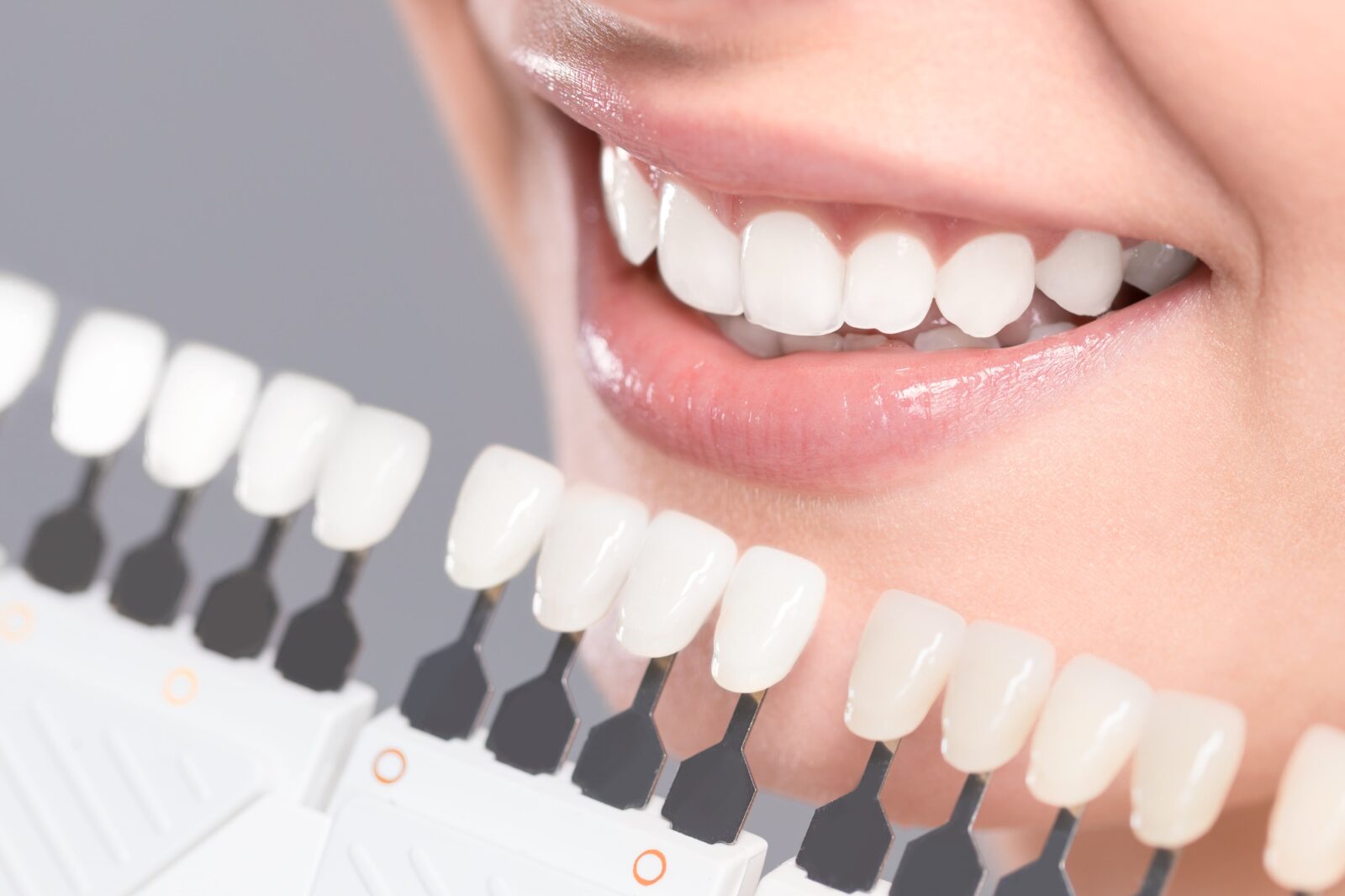
Dentists typically compare colour using established shade guides. The VITA Classical A1 to D4 guide, for example, includes 16 natural shades and has been used internationally for decades. Whitening sometimes goes beyond those natural tabs into “bleach shades”, which can look striking on screen but less convincing in person.
If you’re in dental Rozelle and planning cosmetic work, ask what shade guide your clinician uses and whether they’re aiming for a natural shade or a bleach shade. That one question often reveals the aesthetic direction straight away.
What Makes Teeth Look “Too White”?
People usually mean one of three things:
- The value is too high: the tooth looks bright but flat, with little depth.
- The undertone is off: some very light shades can read grey or slightly bluish under certain lighting.
- Everything is the same colour: real teeth aren’t uniform. The edges can look a touch lighter, and the gumline can look slightly darker.
A natural-looking result keeps a bit of variation. It looks clean, not painted on.
A Practical Way to Pick A Target Shade
Many clinicians start with a conservative goal: moving a few shades lighter rather than chasing the lightest tab. It’s also easier to top up later than to regret an overdone result.
If you want a useful “rule of thumb”, consider this:
- If your teeth are currently in the A3 to A3.5 range, aiming around A2 often looks fresh without shouting.
- If you’re already fairly light (A2), moving toward A1 or B1 may suit, but it depends on your skin tone and the whites of your eyes.
These are not promises, just a way to think about proportion. Your baseline colour, enamel thickness, and the cause of discolouration all change what’s realistic.
Around the upper mid-point of treatment planning, a consultation with a dentist in Rozelle can help you choose a target shade that works in daylight and in photos, not only under a surgery light.
Match the Shade to Your Features, Not A Screenshot
Teeth sit in a “frame”: lips, skin, eyes, and even hair colour. Cooler, very bright shades can look harsher on warmer complexions. Warmer whites can look more balanced, especially if you have olive or golden undertones.
Age plays a part too. Teeth naturally deepen in colour as enamel thins and dentine shows through. A very bright bleach shade can look mismatched on an otherwise mature face. Some people love that contrast. Others find it distracting. Asking “Do I want people to notice my teeth, or notice my smile?” is a surprisingly helpful checkpoint.
Sensitivity and Gum Health Influence Shade Decisions
The more aggressively you whiten, the more likely you are to notice sensitivity during or shortly after treatment. Concentration and exposure time both affect sensitivity risk, which is why supervised approaches often adjust the plan rather than forcing a single session to do all the work.
If you develop sharp pain, swelling, or a broken tooth during the process, you may need an emergency dentist before you continue cosmetic treatment. Whitening should never override basic comfort and health.
A Quick Guide for Common Goals
| Your priority | Shade direction that often looks natural | Notes |
|---|---|---|
| “Just fresher” | 1–2 shades lighter than baseline | Usually the most believable result |
| “Noticeably whiter” | 2–4 shades lighter | Check restorations so colour stays even |
| “Very bright” | Bleach shades | Can look flat; best planned carefully |
How to Avoid Surprises After Teeth Whitening?
- Check for visible fillings or crowns first so you can plan replacements if needed.
- Choose a shade under neutral light when possible. Surgery lights can make teeth look whiter than they will at home.
- Plan for maintenance. Whitening fades over time, especially with coffee, tea, red wine, and smoking.
- Ask for staged whitening if you’re unsure. A gradual approach lets you stop at the point that still feels like “you”.
People often start by searching dentist near me or dental clinic near me and booking the first available consult. That’s fine, but bring a few reference photos of smiles you genuinely like (not filtered screenshots), and tell the clinician what you want to avoid. “Natural, not opaque” is useful feedback.
Bringing It Together
A flattering whitening shade is rarely the whitest one. It suits your complexion, respects any existing dental work, and still looks normal in the harsh light of a car mirror.
If you’re considering professional Teeth whitening, set a target shade you’d be happy to live with on an average Tuesday, not only on a big night out. That’s usually where the most confident smiles land.