Understanding Teeth Whitening and the Real Reasons Teeth Become Discolored
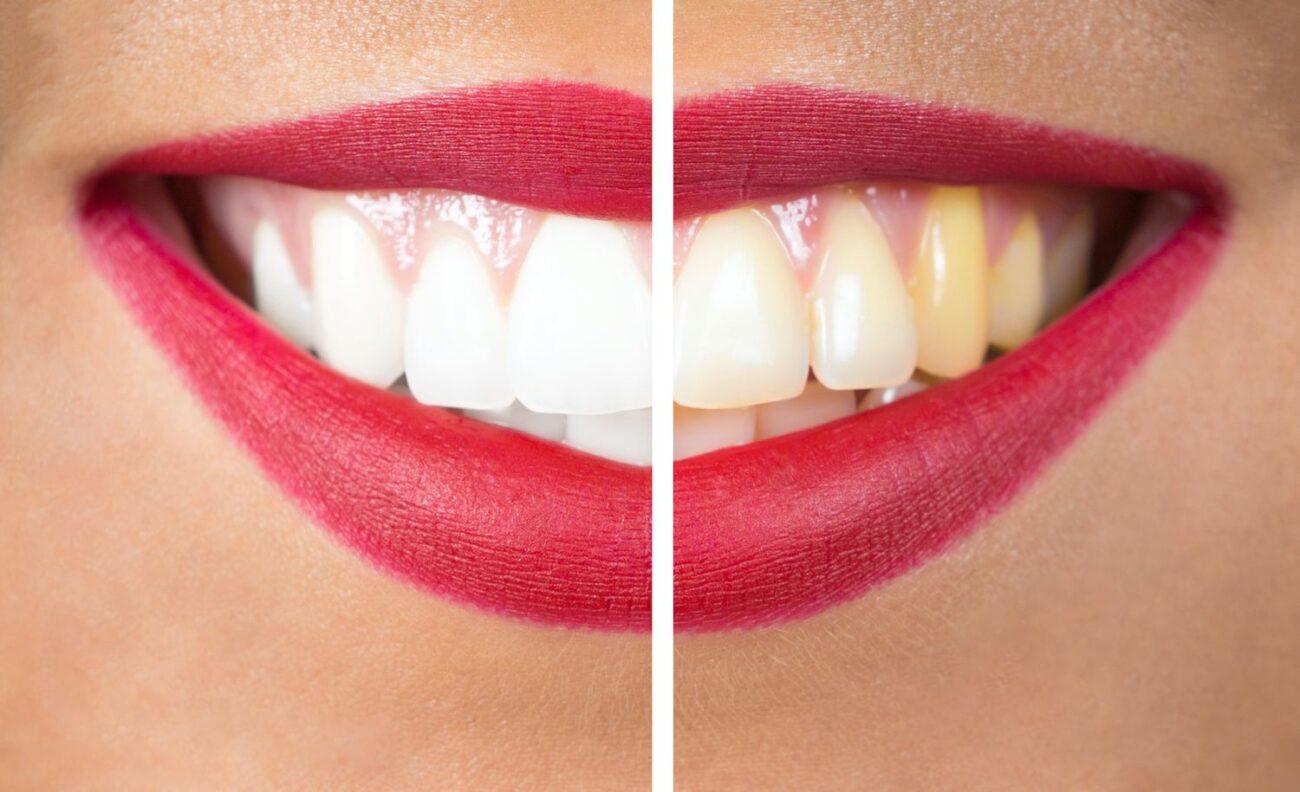
A bright smile is often associated with confidence, good health, and positive first impressions. Over time, however, many people notice their teeth losing their natural brightness. This change does not happen overnight, and it is rarely caused by a single factor. Understanding how teeth whitening works and what actually causes tooth discoloration can help individuals make informed decisions about improving their smile while maintaining long term oral health.
This article explains the science behind teeth whitening, the different types of discoloration, and everyday habits that influence tooth color. It also explores why professional guidance from a dentist in Fargo is important when considering whitening options.
The Natural Color of Teeth and Why It Changes
Teeth are not naturally bright white. Their true color is influenced by the structure of the tooth itself. Each tooth has an outer layer called enamel and an inner layer known as dentin. Enamel is mostly translucent, allowing the yellowish tone of dentin to show through. The thickness and quality of enamel play a major role in how white or dark teeth appear.
As people age, enamel gradually becomes thinner due to years of chewing, brushing, and exposure to acidic foods. When enamel wears down, dentin becomes more visible, making teeth appear darker or more yellow. This natural aging process is one reason discoloration happens even with good oral hygiene.
Types of Tooth Discoloration
Tooth discoloration generally falls into three main categories. Understanding these types helps explain why whitening works better in some cases than others.
Extrinsic Discoloration
Extrinsic stains affect the outer surface of the enamel. These stains are caused by everyday substances that come into contact with teeth. Common contributors include coffee, tea, red wine, dark sodas, and tobacco. Over time, pigments from these substances attach to enamel and create visible stains.
Extrinsic discoloration responds very well to teeth whitening because the stains are on the surface. Professional cleanings and whitening treatments are especially effective at removing these types of stains.
Intrinsic Discoloration
Intrinsic stains occur inside the tooth, affecting the dentin layer. These stains may result from trauma, certain medications taken during tooth development, excessive fluoride exposure, or internal changes within the tooth structure.
Because intrinsic discoloration lies beneath the enamel, it is more challenging to treat. Whitening can still improve appearance in many cases, but results may vary. A dentist in Fargo can evaluate the cause and recommend the most effective approach.
Age Related Discoloration
Age related discoloration is a combination of both extrinsic and intrinsic factors. Years of exposure to staining foods and drinks, combined with enamel thinning, lead to gradual darkening. This is one of the most common reasons adults seek teeth whitening Fargo, ND services.
How Teeth Whitening Actually Works
Teeth whitening is not simply a surface level process. Whitening agents work by penetrating the enamel and breaking down stain molecules within the tooth. Most whitening methods use peroxide based solutions that release oxygen molecules. These oxygen molecules interact with discolored compounds and break them into smaller, less visible particles.
This process does not remove enamel or physically scrub the tooth. Instead, it changes how light reflects off the tooth structure, making teeth appear brighter and more even in color.
The Role of Enamel in Whitening Results
The condition of enamel has a significant impact on whitening outcomes. Healthy enamel allows whitening agents to penetrate evenly, leading to more consistent results. Weakened or damaged enamel may cause uneven whitening or sensitivity.
This is why a dental evaluation is important before starting any whitening process. A dentist in Fargo can assess enamel health, identify cavities or gum issues, and ensure whitening is safe and effective.
Common Causes of Tooth Discoloration
Tooth discoloration often results from daily habits that many people do not realize affect their smile. Understanding these causes can help prevent future staining.
Food and Beverage Choices
Dark colored foods and drinks are among the leading causes of extrinsic staining. Coffee, tea, red wine, berries, tomato based sauces, and certain spices contain strong pigments that cling to enamel. Acidic beverages also soften enamel, making it easier for stains to set in.
Tobacco Use
Smoking and chewing tobacco introduce tar and nicotine to the mouth. These substances quickly stain teeth, creating yellow or brown discoloration that becomes more difficult to remove over time. Tobacco also affects gum health, compounding oral health concerns.
Poor Oral Hygiene
Inadequate brushing and flossing allow plaque and tartar to build up on teeth. These deposits attract stains and dull the natural shine of enamel. Regular professional cleanings help remove buildup that cannot be addressed with brushing alone.
Medications and Medical Factors
Certain antibiotics taken during childhood can cause permanent intrinsic discoloration. Medical treatments, trauma to the teeth, and even genetics can influence tooth color. In some cases, discoloration may indicate underlying dental issues that require treatment beyond whitening.
Aging and Enamel Wear
As enamel wears down with age, teeth naturally appear darker. Even people who practice excellent oral hygiene experience some degree of age related discoloration. Whitening can help restore brightness, but results depend on individual enamel characteristics.
Professional Whitening Versus Over the Counter Options
There are many whitening options available, but not all deliver the same results or safety standards. Professional whitening offers controlled treatment tailored to the individual.
When seeking teeth whitening Fargo, ND services, patients benefit from customized care that considers tooth sensitivity, existing restorations, and overall oral health. Professional supervision also reduces the risk of uneven whitening or gum irritation.
Over the counter products may provide mild improvement for surface stains, but they often lack the strength and precision needed for deeper discoloration. Without professional guidance, misuse can lead to discomfort or disappointing results.
Sensitivity and Whitening
Tooth sensitivity is a common concern during whitening. Sensitivity occurs when whitening agents temporarily increase the permeability of enamel, allowing stimuli to reach the nerve. This effect is usually short lived and manageable.
A dentist in Fargo can recommend strategies to minimize sensitivity, such as adjusting treatment strength, spacing sessions, or using desensitizing products. Addressing sensitivity properly ensures a more comfortable whitening experience.
Maintaining Whitening Results
Whitening results are not permanent, but good habits can extend their longevity. Practicing proper oral hygiene, limiting staining foods and drinks, and scheduling regular dental cleanings all help maintain brightness.
Rinsing the mouth with water after consuming staining beverages and using a straw can also reduce contact with enamel. These small changes make a noticeable difference over time.
Why Professional Guidance Matters
Every smile is unique, and whitening is not a one size fits all solution. Factors such as enamel thickness, existing dental work, and the cause of discoloration influence results. Consulting a dentist in Fargo ensures that whitening is performed safely and aligned with long term oral health goals.
A professional evaluation can also identify whether discoloration is cosmetic or a sign of an underlying issue. Addressing the root cause leads to better outcomes and protects the integrity of the teeth.
A Brighter Smile Starts With Knowledge
Teeth whitening is an effective way to enhance a smile, but understanding how it works and why teeth become discolored is essential. From daily habits to natural aging, many factors influence tooth color. Whitening works by targeting stain molecules within the tooth, not by damaging enamel or masking discoloration.
By learning the science behind whitening and the causes of staining, individuals can make informed decisions and achieve lasting results. With proper care and professional guidance, a brighter smile can be both safe and sustainable.