Full-Arch Implants Recovery Timeline: What Most People Feel Week by Week
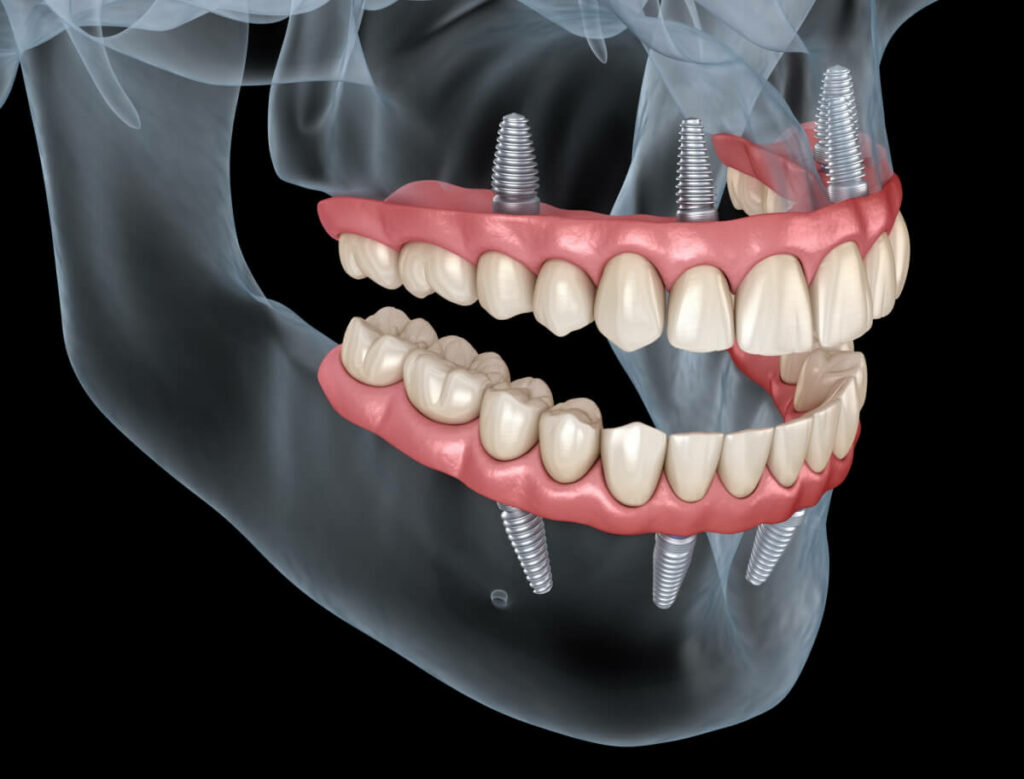
Full-arch dental implants can replace a complete upper or lower set of teeth with a fixed bridge supported by several implants. The first weeks are still surgical recovery, not an instant return to normal. Healing follows a pattern, but it is rarely identical from person to person. Age, general health, whether extractions happened, and how closely you follow aftercare all shape the experience.
This guide outlines what many people report week by week. If your clinician’s advice differs, follow theirs.
What “Recovery” Means in Full-Arch Treatment
Two things settle at once. First, the gums heal after incisions and stitches. Second, the implants bond to bone (osseointegration). That deeper process often takes months, which is why clinics keep you on a careful diet even when you feel fine.
Days 1–3: Swelling and A Tight Jaw
The first 72 hours are often the hardest. Swelling commonly builds across day two and may come with bruising along the jawline. Many people describe tightness and pressure rather than sharp pain. Fatigue is common, especially if you had sedation.
Cold packs, rest, and soft cool foods often help. Light bleeding can occur on day one and usually settles with the routine your clinic gives you. Heavy bleeding or bleeding that won’t ease needs a call to the practice.
Days 4–7: Bruising Fades, Routines Begin
By the end of week one, swelling often starts to drop. Bruising can look worse before it looks better, then it gradually lightens. Mouth opening may still be limited, and speaking can feel odd if you have a temporary bridge in place.
Oral hygiene matters more than perfection. Keep the mouth clean without poking sore areas. Gentle rinsing and careful brushing away from incisions often suit the first week, then you build up as tenderness eases.
Week 2: Comfort Improves, Food Stays Soft
Week two is when people often ask, “Can I eat normally yet?” Most still need a soft diet. Chewing hard foods too early can overload healing sites or the temporary bridge. Stick with meals you can manage without tearing: scrambled eggs, pasta, yoghurt, soft fish.
A steady reduction in pain and swelling is reassuring. A sudden increase, foul taste, fever, or pus-like discharge is not.
Weeks 3–4: The Quiet Middle
Weeks three and four can feel surprisingly ordinary. People often return to work and gentle exercise. Gum tissues remodel and can feel itchy or tight. Some notice mild pressure sensations that come and go, especially after a long day of talking. Sleep can still feel patchy, and that usually improves over time too.
Weeks 5–6: Confidence Rises, Limits Still Apply
Many patients feel close to normal day to day by now. The risk is overconfidence. Toasted crusts, nuts, and chewing ice can damage a provisional bridge or stress implants that are still integrating.
Clinics such as Dental Implants Melbourne often emphasise the staged nature of healing, including why “feels fine” and “ready for hard chewing” are not the same thing.
Weeks 7–12: Stability Increases, Reviews Matter
Between two and three months, many people notice fewer random twinges and less tenderness when cleaning. You might also need minor bite adjustments. A small high spot can concentrate force on one side, so don’t ignore a feeling that the teeth “hit first” somewhere.
If you are comparing the Dental implants cost in Melbourne, look beyond the headline number. Ask what is included: imaging, extractions, grafting if needed, the temporary bridge, follow-ups, and the final restoration.
Months 3–6: Final Teeth Planning and Habits
By three to six months, osseointegration is often well advanced for many patients, and the team may plan the final bridge. The early anxiety tends to fade, replaced by practical questions about cleaning, comfort, and appearance.
Full-arch implants can still develop inflammation if plaque builds up, so daily cleaning and regular professional reviews remain part of the deal.
Costs and Common Questions
A frequent question is the cost of dental implants Melbourne patients should budget for. It varies with case complexity, materials, and whether you need extractions or bone work. Ask for a written plan with staged fees so you can compare like with like.
If you keep searching “dental implants near me”, refine the question. Look for a clinic that explains risks plainly, shows you the steps, and schedules follow-up care rather than treating it as an add-on.
When Extra Expertise Helps
Some cases benefit from a dental implants specialist, particularly where there is advanced gum disease, heavy bite forces, complex medical history, or significant bone loss. A second opinion can be money well spent if it clarifies your options.
Choosing Quality Over Shortcuts
People often ask for the best dental implants Melbourne has to offer. There isn’t one winner for everyone, but there are consistent markers of quality: careful planning, realistic timelines, and a maintenance plan that fits your life.
Recovery is a series of small steps. Most people move from swelling and awkward speech in week one to steadier confidence by the later months. Keep your clinic in the loop if something feels off.