Wisdom Teeth Removal for Athletes: What to Know
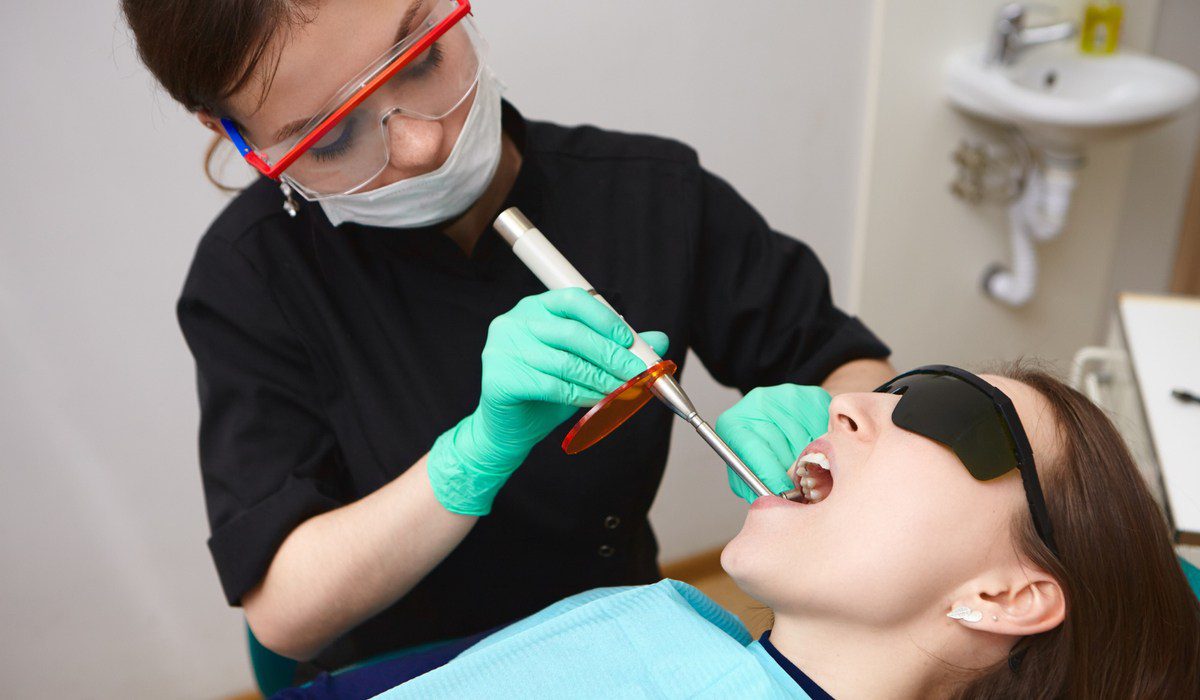
Athletes plan workloads with care, yet dental problems rarely respect a season schedule. Wisdom teeth can flare up at the worst times, especially when a tooth is impacted or partially erupted and traps bacteria. Removal is often a straightforward day procedure, but the recovery window matters more for athletes than for most people. Swelling can affect sleep, eating, and focus, and returning to hard training too early can restart bleeding.
For Melbourne-based athletes searching for a provider, start with clear information on Wisdom teeth removal Melbourne so you can plan around both sport and healing.
Why Athletes Need A Different Kind of Plan
A desk job can absorb a few days of discomfort. Sport is less forgiving. Oral surgery aftercare guidance commonly warns against raising your heart rate too soon because it can increase pain, bleeding, and swelling. Most dental professionals advises that waiting until your surgeon says exercise is OK, noting many people resume fitness routines in about 48 to 72 hours, depending on the case.
That general timeline still needs context. A simple extraction may settle quickly. A difficult impacted tooth can mean more swelling, a longer reliance on pain relief, and a slower return to contact.
Timing Surgery Around Competition and Travel
If you have the option, schedule the procedure away from finals, trials, or a heavy training block. Swelling often ramps up over the first two days and can peak around day two or three before easing. For athletes, that peak can line up with the time you would normally train hardest, which is exactly what you should not do.
Also think about travel. Long flights and hotel food do not pair well with a soft diet and a strict rest period. If you must travel soon after, ask your clinician about flying, pain management, and what red flags should trigger follow up.
The First 48 Hours: Protect the Clot and Keep Your Head Clear
Early healing depends on a stable blood clot in each socket. Dislodging it can lead to dry socket, which is painful and tends to extend downtime. ADA warns against drinking through a straw because suction can dislodge clots, and it also lists heavy lifting and exercise as activities that can increase complications.
For athletes, this is the phase to treat like a recovery microcycle: sleep, hydration, gentle walking, and no heroics. If you are someone who typically uses supplements, pause and keep it simple. Products marketed for “cutting” or “energy” can complicate hydration and sleep when you most need both.
A Sensible Return to Training
A phased return is safer than a single “back to normal” date.
- Days 1 to 2: rest, short walks only
- Days 3 to 5: light cardio if bleeding has stopped and swelling is settling
- Days 6 to 10: gradual intensity, avoiding maximal lifting and high contact until cleared
Use symptoms as your guide. Throbbing, renewed swelling, or bleeding after training means you pushed too soon. Athletes often ask if they can lift early. Heavy bracing can increase pressure and, for some, trigger pain or bleeding. That caution matches the activity limits described in mainstream aftercare guidance.
Contact Sport and Mouthguards
If you play a contact code, the risk is not just fitness. A knock to the jaw can irritate healing tissue and restart bleeding. Even after the soreness settles, keep drills controlled at first and return to full contact only when your clinician is comfortable with the healing progress. A well fitted mouthguard is a simple investment that can save a lot of grief.
Smoking, Vaping, And Dry Socket Risk
Some athletes vape socially and assume it is a small issue. From a healing standpoint, nicotine exposure is a problem either way. A systematic review and meta-analysis reported smokers had more than three times the odds of developing dry socket after tooth extraction, with a higher incidence in smokers than non-smokers. If your goal is a predictable recovery, this is one area where discipline pays off.
Costs in Melbourne: Ask What Is Included
The Wisdom teeth removal cost Melbourne varies with the number of teeth removed, imaging, complexity, and whether sedation or a hospital setting is involved. When you compare options, ask for itemised inclusions: consult, scans, surgery fees, anaesthesia, and review appointments.
Some clinics provide cheap wisdom teeth removal Melbourne through financing and typical fee ranges online, which can help you decide whether to proceed now or schedule around your season. It also helps to clarify whether your health fund or extras cover anything, as policies differ.
Avoiding Medication Surprises for Tested Athletes
Most post-op pain relief is routine, yet tested athletes should still check medications and ingredients, especially if you compete under anti-doping rules. Sport Integrity Australia provides guidance on checking substances through Global DRO for medicines bought in Australia. The World Anti-Doping Agency’s Prohibited List updates annually and the 2026 list took effect on 1 January 2026. If you are unsure, ask your pharmacist for active ingredients and verify them.
Choosing Value, Not Just Price
It is normal to look for Wisdom teeth removal price Melbourne, yet value includes clear post-op instructions, access to urgent reviews, and a clinician who answers sport-specific questions without brushing them off. That is also where people start searching wisdom teeth removal Melbourne cost in a more practical way: not just “cheaper,” but “predictable.”
If budget is tight, ask directly about payment plans and what drives cost, rather than relying on vague advertising. People also search for affordable wisdom teeth removal Melbourne because they want competent care without financial shock.
Athletes do not need a perfect recovery, just a planned one. Put the procedure where it fits your calendar, respect the early healing window, and return to training in stages. Your season will thank you.