Understanding How Bioactive Materials Help Dental Implants Bond with Bone
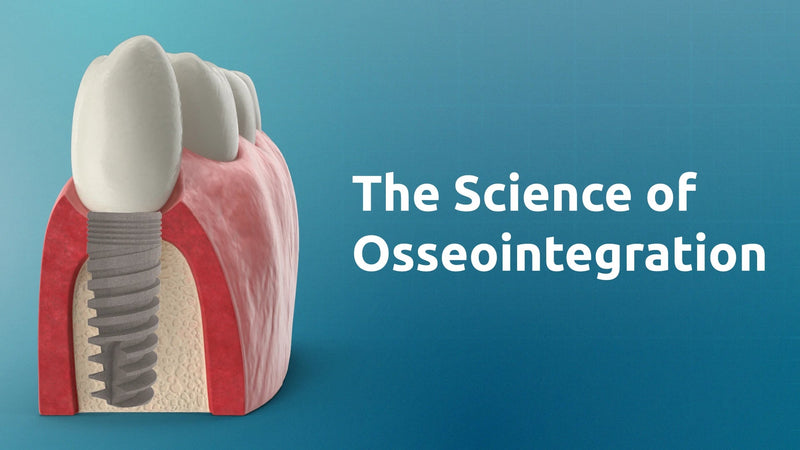
Dental implants work only if they bond well with the bone around them. That bond doesn’t just happen on its own. It starts the moment the implant is placed. Bone cells react to the implant surface right away. Bioactive materials change how this reaction happens. Instead of sitting there doing nothing, the implant surface helps the body heal and attach to it. This leads to a stronger and more stable result.
Why bone bonding really matters
Bone is not fixed or lifeless. It responds to pressure and heals over time. When an implant goes into the jaw, bone needs to grow right up against it. There shouldn’t be soft tissue in between. If the bond is weak, the implant may feel loose later, even if it was placed well.
Bioactive materials help bone make direct contact with the implant. They influence what happens in the early days of healing. Bone cells don’t just find the implant by chance. The surface helps guide where they attach and how they grow. That support helps the implant stay steady for years.
What is bioactive?
A bioactive material interacts with the body. In dental implants, this means the surface affects how cells behave. Once the implant is placed, blood coats it almost straight away. Proteins in the blood stick to the surface first. These proteins send signals to bone cells.
Bioactive surfaces attract the right kind of proteins. These are the ones linked to bone repair. At the same time, they reduce signals linked to irritation. This helps bone grow in an organised way instead of healing unevenly.
Helping bone grow from the start
The first stage of healing often sets the tone for everything that follows. Bioactive implant surfaces are designed to help during this early phase. Tiny surface textures give bone cells places to hold on to. Even smaller surface details affect how cells grow and multiply.
Some surfaces slowly release calcium or phosphate. These minerals already exist in natural bone. When they’re present near the implant, bone forms closer and more tightly.
Hydroxyapatite and mineral coatings
Hydroxyapatite is a mineral found in your own bones. When implants are coated with a thin layer of it, bone cells recognise the surface more easily. They attach faster and more closely.
Calcium phosphate coatings work in much the same way. They support mineral movement between bone and implant. These coatings don’t replace titanium. They sit on top of it and help bridge the gap between metal and living bone.
Bioactive glass and steady healing support
Bioactive glass works a little differently. It releases small amounts of helpful ions over time. These ions support bone cell activity and keep the surrounding area balanced.
This release helps maintain bone strength near the implant. It’s useful in the areas where the bone is softer and needs extra support during healing.
What this means for patients
For people looking into Dental Implants in Sydney, bioactive materials work quietly in the background. You won’t see or feel them. But they help the implant settle in better. Healing is often smoother. The implant feels more solid once it’s in use.
Most patients never think about the surface of the implant. Still, that surface plays a big role in comfort and long-term strength.
Different bones heal differently
Not everyone heals at the same speed. Bone density changes with age, health, and lifestyle. Bioactive materials help level the field a bit. They encourage bone growth even when healing is slower than average.
Thinking about cost over time
When people compare dental implants cost in Sydney, it helps to think beyond the first bill. Implants that bond well with bone are less likely to cause problems later. That can mean fewer follow-up treatments.
In Sydney dental implants already include bioactive surfaces as part of their design. Dentists use them because they work well, not because they’re a luxury add-on.
Wider access than before
Bioactive technology isn’t limited to high-end options anymore. Many clinics now offer affordable dental implants in Sydney that still use these surfaces. Better manufacturing has made these materials easier to access. Patients can benefit from them without giving up quality care.
Options for tighter budgets
Even those looking for cheap dental implants in Sydney may still receive implants with basic bioactive features. This depends on the implant system chosen. Dentists don’t pick materials based on price alone. Bone condition and placement matters more.
Single-tooth implants and stability
For tooth implants in Sydney, bioactive materials help achieve a firm bond in small bone areas. Bioactive materials don’t force the body to adjust. They work with natural healing. By helping bone cells attach early and grow properly, they allow the implant and bone to act as one.