Does Dental Insurance Cover Implants? What Patients Should Know

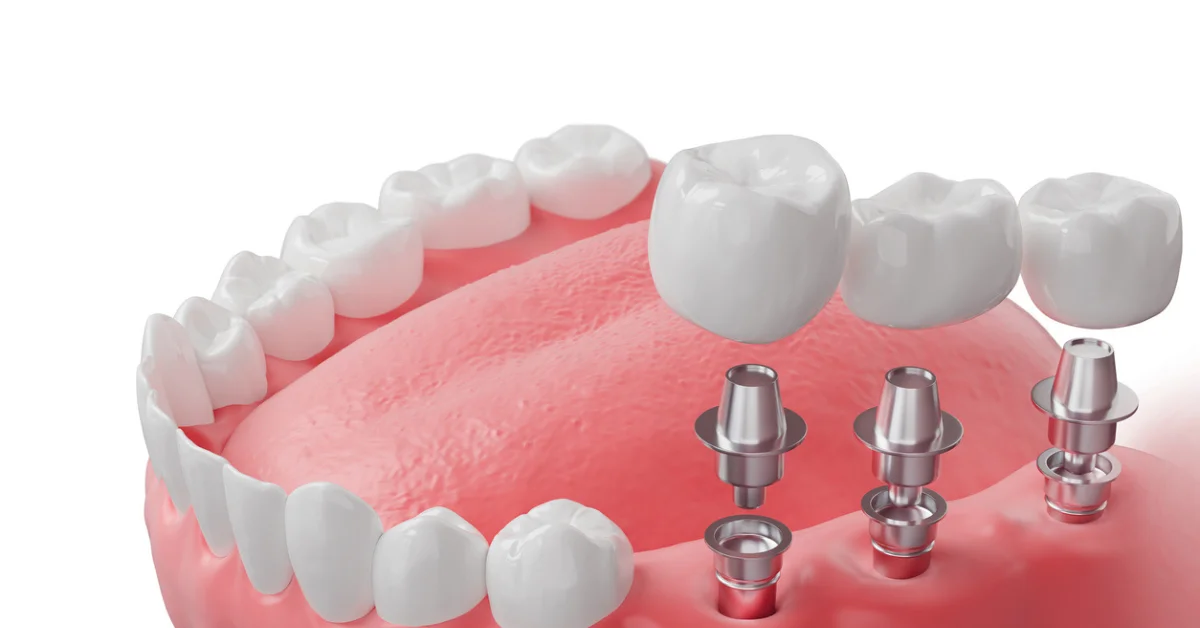
Dental implants have become the preferred solution for replacing missing teeth, thanks to their strength, comfort, and longevity. Yet for many Australians, one question often comes first: does dental insurance actually cover them?
The answer isn’t straightforward, as coverage depends on the insurer, your level of extras policy, and the type of procedure involved. Understanding how dental insurance applies can help you plan treatment more confidently and avoid unexpected costs.
How Dental Implants Are Classified
Insurance providers in Australia typically divide dental care into three categories: general, major, and orthodontic. Routine check-ups and fillings fall under general dentistry, while crowns, bridges, and implants are grouped under major dental.
Since implants involve surgery and custom restorations, they are usually classified as a major dental procedure, which affects the rebate and waiting periods. Most extras policies with major dental coverage will include a benefit for implants, but the amount you receive can vary widely.
Some policies set annual or lifetime limits for major dental, meaning your rebate might not cover the full procedure. It’s worth checking whether implants are explicitly listed, as certain lower-tier policies exclude them altogether.
Partial vs. Full Coverage
While some premium extras policies cover part of the cost, full coverage for implants is rare. Insurers typically reimburse a fixed amount per item number, which may only represent a portion of the total expense.
The benefit might apply to the surgical component, the implant fixture, or the crown, but not necessarily to every stage. For example, the surgery to place a single tooth implant could fall under one item number, while the final restoration is billed separately.
Because the total treatment involves multiple steps and sometimes multiple specialists, insurers may treat each part individually. That’s why patients often find that insurance offsets the cost but doesn’t eliminate it entirely.
Understanding Costs and Rebates
When researching Dental Implants cost Sydney, it becomes clear that pricing depends on several factors: the complexity of the procedure, the materials used, and the need for preparatory treatments such as bone grafting. A straightforward implant to replace one tooth will generally cost less than procedures involving multiple teeth or the entire arch.
The key is to ask your dentist for a detailed itemised quote before starting treatment. This allows you to confirm with your insurer exactly which components are claimable and what rebate percentage applies.
Many practices will also prepare a treatment plan that you can submit to your health fund for pre-approval, helping you understand your likely out-of-pocket expense.
Major Dental Waiting Periods
Most major dental benefits have a waiting period of 12 months before you can claim for implants. If you’ve recently upgraded your extras cover, this waiting period still applies unless your insurer agrees to waive it.
It’s wise to factor this timing into your treatment plan, especially if tooth loss occurred unexpectedly. Delaying surgery for insurance reasons can sometimes affect oral health, so weigh the clinical advice carefully before postponing treatment.
Medicare and Public Options
Medicare does not cover dental implants in most cases. The exception is when implants are provided through a hospital program for specific medical or reconstructive reasons, such as injury or cancer-related surgery.
Public dental services rarely include implants, as they focus on essential care and relief of pain rather than elective or restorative treatments. That means private dental care remains the main option for most patients.
Finding Affordable Options
Given the limits of insurance, many people look for affordable dental implants through payment plans or staged treatment. Some clinics offer interest-free finance or staged billing to make costs more manageable.
Comparing clinics and understanding inclusions—such as consultations, imaging, and aftercare—can also make a difference to your overall spend. It’s worth noting that lower prices don’t always mean lower quality, especially when clinics invest in modern technology that shortens treatment time and improves precision.
Full Mouth and Multi-Tooth Cases
For patients needing extensive work, such as full mouth dental implants, coverage can become even more complex. These treatments usually involve multiple implants and customised bridges, which are considered major reconstructive procedures.
Insurers may apply item limits or maximum annual benefits that only cover a small percentage of the total. In these cases, financing options or staged treatments across financial years can help spread the cost more effectively.
Local Expertise Matters
Working with a qualified implant dentist can make a significant difference to outcomes. Many people start their search with dental implants near me, but beyond convenience, it’s worth considering a provider’s experience, technology, and aftercare support. Clinics with in-house imaging and surgical planning often reduce both cost and treatment time.
A trusted local practice offering dental implants Sydney can also guide you through the insurance process, helping you prepare claim documentation and liaise with your health fund for pre-approval.
The Long-Term Value
Although the upfront cost may seem high, implants often last decades when cared for properly. They prevent jawbone loss, protect surrounding teeth, and restore natural function, which can make them more cost-effective in the long term compared with bridges or dentures that require regular replacement.
If you maintain regular dental check-ups and good oral hygiene, an implant can last 20 years or more, making it a worthwhile investment for both comfort and confidence.
Final Thoughts
While dental insurance may offset some of the cost, it rarely covers implants entirely. The best approach is to confirm your benefits early, ask for pre-approval, and work with a dental team that provides transparent pricing.
Whether you’re considering a single replacement or a complete restoration, understanding the financial and clinical aspects will help you make an informed decision—and smile with confidence again.