What Happens If You Ignore a Broken Tooth?

A chipped molar from a popcorn kernel, a front tooth that snaps on a fork, a cracked filling that suddenly feels sharp. A broken tooth often starts as an annoyance, not an emergency. If the pain settles, it’s easy to assume the problem has settled too.
Teeth rarely reward that optimism. Once the outer layer is compromised, the tooth becomes easier to damage and easier for bacteria to enter. The longer you leave it, the more likely you are to trade a straightforward repair for a longer, pricier course of treatment.
How Small Chips Turn into Bigger Problems
Tooth enamel is tough, but it can’t regenerate. A small chip can expose dentine, the softer layer underneath. Dentine contains tiny channels that run towards the nerve, which is why cold drinks or sweet foods may suddenly sting. If the crack runs deeper, biting pressure can force it to extend, sometimes in unpredictable directions. Cracks don’t always hurt at first, so people keep chewing as normal and the damage quietly progresses.
The Early Fallout People Notice
In the first days or weeks, the problems are usually practical. The sharp edge irritates the tongue or cheek. Food packs into the broken area. Temperature sensitivity makes eating awkward. If the break affects a visible tooth, confidence can take a hit fast.
Another issue is bite changes. Many people start chewing on one side without realising it. Over time, that can strain the jaw and put extra wear on other teeth. A Blacktown dental team will often spot this pattern when a single damaged tooth sets off broader discomfort.
When Bacteria Get A Pathway to The Nerve
If the fracture reaches the pulp, the tooth’s inner tissue can become inflamed and infected. Pain often shifts from occasional sensitivity to a deep throbbing ache that disrupts sleep. Infection can collect at the tip of the root and form an abscess, which may cause swelling, a bad taste, or a pimple-like bump on the gum.
Most infections stay local when treated promptly, but they can spread into nearby tissues. Fever, facial swelling, and trouble swallowing are warning signs that need urgent assessment, not a wait-and-see approach. That’s why you need to visit the dentist Blacktown ASAP.
The Hidden Cost: Treatment Gets More Invasive
People delay because they want to avoid “a big dental job”. Waiting is one of the main ways a big job is created.
A small chip might be repaired with bonding. A larger break may need a filling or a crown to rebuild strength. If the nerve is involved, root canal treatment may be needed to save the tooth, and that tooth often still needs a crown afterwards. If the crack splits the tooth below the gumline, extraction may be the only realistic option.
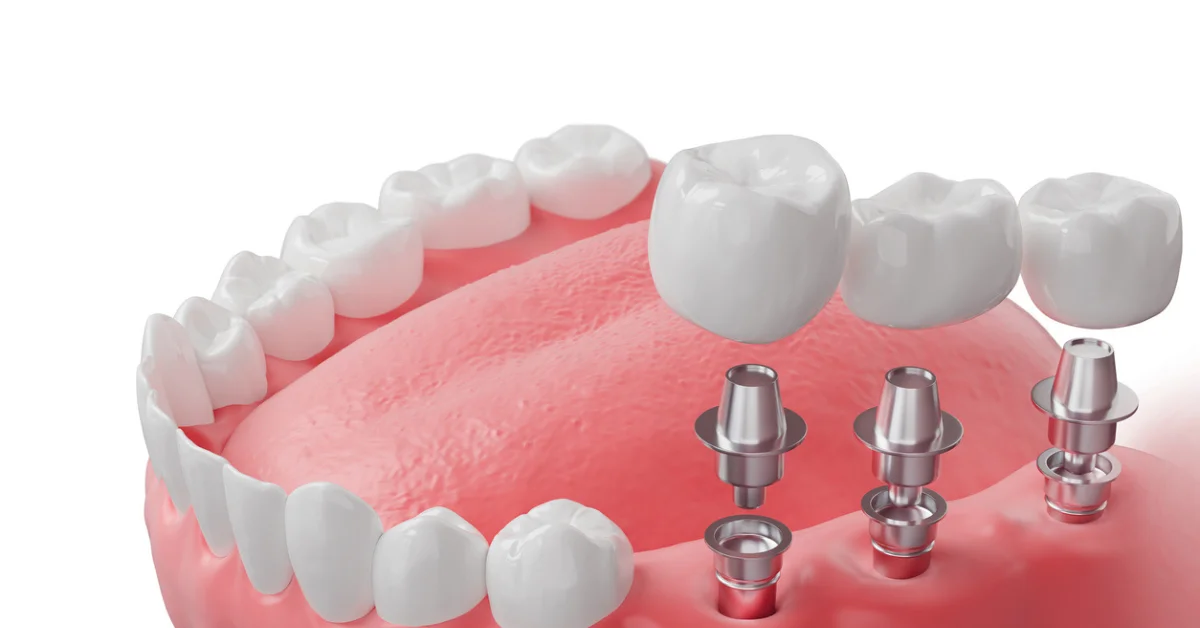
After extraction, the next question is replacement. Leaving a gap can allow neighbouring teeth to drift and can make chewing less efficient. Replacements such as bridges, dentures, or implants take planning, appointments, and cost. For many people, the toughest part is that it feels avoidable in hindsight.
Not Every Crack Is Urgent, But Every Break Deserves A Check
Not all hairline cracks need treatment. Some can be monitored if they’re superficial and symptom-free. The trouble is that most people can’t tell the difference in the mirror. A dental exam and X-rays help clarify what’s going on and what can safely wait.
If you’ve ever searched dentist near me while hoping the ache settles, you’re not alone. Early review simply gives you more options, and usually simpler ones.
What You Can Do Right Now
Until you’re seen, keep things calm:
- Rinse gently with warm salty water to clear debris.
- Avoid chewing on the affected side and skip hard or sticky foods.
- If a fragment has come off, keep it moist and bring it along. Some guidance suggests milk or saliva because reattachment is sometimes possible.
- Use over-the-counter pain relief as directed on the label, and ask a pharmacist if you’re unsure.
When It Needs Urgent Care
A broken tooth becomes urgent if you have swelling of the face or gum, pus, fever, worsening pain, or bleeding that won’t stop. A tooth that has been knocked out also needs prompt attention.
If those signs show up, contacting an Emergency dentist in Blacktown can speed up assessment and lower the chance of complications. If you’re closer to a Dental clinic near Blacktown, they can also advise on safe interim care and the next steps.
Leaving a broken tooth alone is rarely neutral. The tooth can weaken further, decay can set in faster, and infection can develop with little warning. Getting it checked early doesn’t guarantee you’ll avoid treatment, but it often keeps the treatment smaller and easier to recover from.