The Ultimate Dental Clinic Companion: From Check-ups to Confident Smiles

The Ultimate Dental Clinic Companion: From Check-ups to Confident Smiles
Visiting the dentist is often seen as a daunting task, but it doesn’t have to be. Whether you’re due for a routine check-up, considering cosmetic dentistry, or simply looking to maintain a healthy smile, having the right approach can transform your experience. This guide serves as your ultimate companion, offering insights into what to expect during dental visits, how to prepare, and ways to ensure your time at the clinic leaves you with more than just clean teeth—it leaves you with confidence.
Why Regular Dental Visits Matter
A healthy smile starts with prevention. Many dental issues, such as cavities, gum disease, and even oral cancer, develop slowly and often without obvious symptoms in their early stages. Regular dental check-ups, typically recommended every six months, allow your dentist to detect problems early when they are easier and less expensive to treat. These visits also include professional cleanings that remove plaque and tartar buildup that regular brushing can’t tackle, reducing your risk of decay and gum disease.
Beyond the practical benefits, consistent dental care contributes to your overall well-being. Poor oral health has been linked to systemic conditions like heart disease, diabetes, and respiratory infections. By prioritizing your dental appointments, you’re not just caring for your teeth—you’re investing in your long-term health.
What to Expect During Your Dental Visit
Understanding what happens during a dental appointment can ease anxiety and help you feel more in control. Here’s a breakdown of a typical visit:
- Welcome and Medical History Review: Your visit usually begins with a review of your medical and dental history. Be sure to mention any changes in medications, allergies, or recent health issues.
- Comprehensive Examination: Your dentist will examine your teeth, gums, tongue, and mouth for signs of decay, gum disease, or oral cancer. They may use small mirrors and dental instruments to get a clear view.
- Digital X-Rays (if needed): X-rays help detect issues not visible to the naked eye, such as cavities between teeth or bone loss. Modern clinics use low-radiation digital X-rays for safety and precision.
- Professional Cleaning: A dental hygienist will remove plaque and tartar using special tools, then polish your teeth to remove surface stains. This leaves your mouth feeling fresh and your teeth smoother.
- Personalized Advice: Based on your exam, your dentist will recommend treatments or preventive care. This could include fluoride treatments, sealants, or guidance on improving your oral hygiene routine.
- Treatment Planning (if necessary): If issues are found, your dentist will discuss options and create a plan tailored to your needs and budget. This may include fillings, crowns, or referrals to specialists like orthodontists or oral surgeons.
Most visits take about 30 to 60 minutes, depending on the services required. Knowing what to expect helps reduce surprises and makes the experience feel more manageable.
Preparing for Your Dental Appointment
Taking a few simple steps before your appointment ensures a smoother and more productive visit:
- Schedule Smartly: Choose a time when you’re least likely to feel rushed or stressed. Avoid booking right before a meeting or a stressful event.
- Update Your Records: If you’ve changed medications, had surgery, or noticed new symptoms, let your clinic know ahead of time.
- Bring Necessary Items: Take your insurance card, a list of current medications, and any relevant X-rays or dental records if you’re seeing a new dentist.
- Practice Good Oral Hygiene: Brush and floss before your appointment. It keeps the cleaning process efficient and shows respect for your hygienist’s time.
- Ask Questions: Write down any concerns or questions you have—whether about a specific procedure, payment options, or aftercare. This ensures nothing is forgotten during your visit.
Preparation builds confidence and helps you get the most out of your appointment.
Overcoming Dental Anxiety
Fear of the dentist is common, but it shouldn’t prevent you from getting the care you need. Here are some strategies to help manage dental anxiety:
- Communicate Your Fears: Tell your dentist and team about your anxiety. They can adjust their approach, use numbing agents, or explain procedures step-by-step to ease your mind.
- Use Relaxation Techniques: Deep breathing, meditation, or listening to calming music can help reduce stress before and during your appointment.
- Consider Sedation Options: For severe anxiety, ask about nitrous oxide (laughing gas), oral sedatives, or IV sedation. These options can help you feel relaxed while staying conscious.
- Choose a Welcoming Clinic: Look for a dental practice with a friendly atmosphere, comfortable seating, and amenities like TVs or blankets. A warm environment makes a big difference.
- Start Small: If you’re extremely nervous, begin with a simple check-up rather than a complex procedure. Building trust over time can reduce fear.
Remember, dental professionals are trained to support anxious patients. Your comfort is their priority.
Cosmetic Dentistry: Enhancing Your Smile and Confidence
A beautiful smile isn’t just about aesthetics—it’s about feeling confident in your appearance. Cosmetic dentistry offers solutions for discolored, misaligned, chipped, or missing teeth. Here are some popular treatments to consider:
- Teeth Whitening: Professional whitening removes deep stains and brightens your smile by several shades. It’s quick, safe, and offers noticeable results.
- Porcelain Veneers: Thin shells placed over the front of teeth can correct chips, gaps, and discoloration. They look natural and are durable.
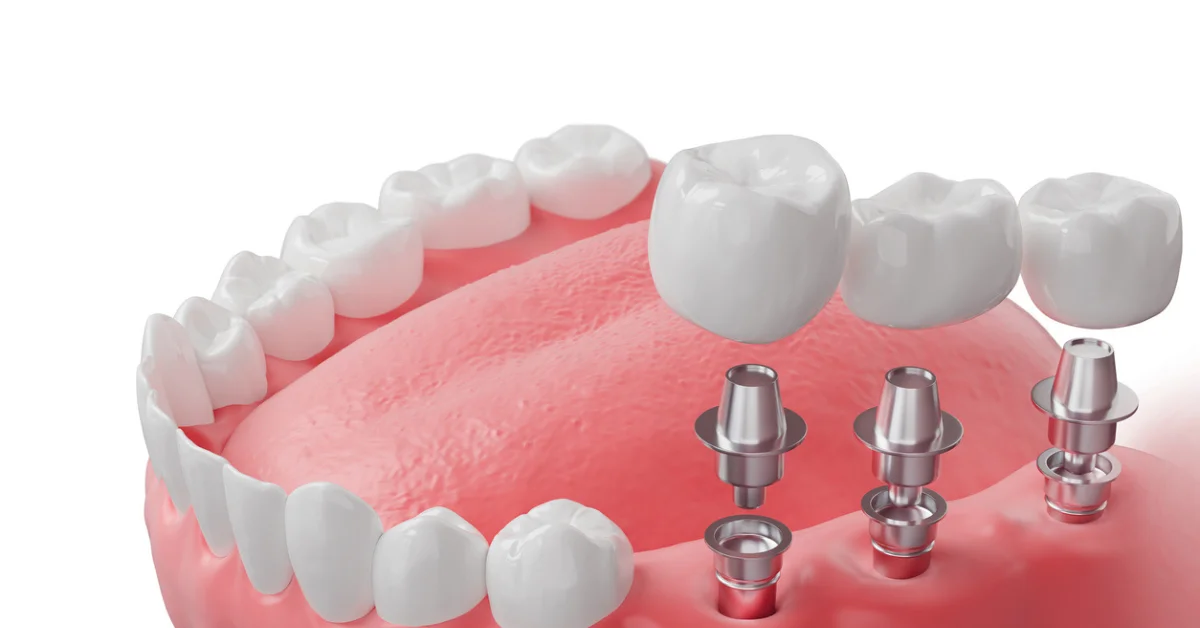
- Dental Implants: Implants are titanium posts surgically placed in the jawbone to replace missing teeth. They function and look like natural teeth.
- Invisalign: Clear aligners straighten teeth discreetly, making them a popular alternative to traditional braces.
- Bonding and Contouring: These procedures repair minor flaws like small chips or uneven edges, improving the shape and appearance of teeth quickly.
Discuss your goals with your dentist to determine which treatments align with your needs and lifestyle. Many cosmetic procedures can be completed in just a few visits, with results that last for years.
Maintaining Your Smile Between Visits
Your dental clinic plays a crucial role in your oral health, but your daily habits are just as important. Consistent care at home helps prevent problems and keeps your smile looking its best:
- Brush Twice Daily: Use fluoride toothpaste and a soft-bristled brush. Angle your brush at 45 degrees to your gums and use gentle, circular motions.
- Floss Daily: Flossing removes plaque and food particles between teeth and under the gumline, where a toothbrush can’t reach.
- Use Mouthwash: An antimicrobial mouthwash reduces bacteria, freshens breath, and helps prevent gum disease.
- Watch Your Diet: Limit sugary and acidic foods that erode enamel. Opt for water, fruits, vegetables, and dairy products that support oral health.
- Stay Hydrated: Water helps rinse away food particles and bacteria, reducing the risk of decay and bad breath.
- Avoid Harmful Habits: Smoking and excessive alcohol consumption stain teeth and increase the risk of gum disease and oral cancer.
Small, consistent habits make a significant difference in your long-term dental health.
Choosing the Right Dental Clinic for You
Not all dental clinics are the same. Finding the right one ensures you receive quality care in a comfortable environment. Consider these factors when selecting a dentist:
- Reputation and Reviews: Look for clinics with positive feedback from patients. Online reviews and personal recommendations can provide insight into the quality of care.
- Range of Services: Choose a clinic that offers comprehensive services, from routine care to specialized treatments like orthodontics or oral surgery.
- Technology and Comfort: Modern equipment like digital X-rays, intraoral cameras, and sedation options enhance accuracy and patient comfort.
- Patient-Centered Approach: A good clinic listens to your concerns, explains procedures clearly, and respects your preferences.
- Convenience and Accessibility: Consider location, office hours, and appointment availability. A clinic close to home or work makes scheduling easier.
Don’t hesitate to visit a clinic beforehand or schedule a consultation to get a feel for the environment and team.
Embracing a Lifetime of Healthy Smiles
Your smile is one of your most powerful assets—it’s how you greet the world, express joy, and connect with others. By partnering with a trusted dental clinic, staying consistent with care, and addressing concerns early, you can enjoy a lifetime of healthy teeth and gums.
Remember, dental care isn’t just about fixing problems—it’s about preventing them and enhancing your confidence. Whether you’re due for a check-up, exploring cosmetic treatments, or simply looking for guidance on oral hygiene, your dental team is there to support you every step of the way.
Take the first step today. Schedule your next appointment, ask questions, and embrace the journey to a brighter, healthier smile. Your future self will thank you.