The Complete Guide to Dark Under-Eye Circles Treatment in 2026
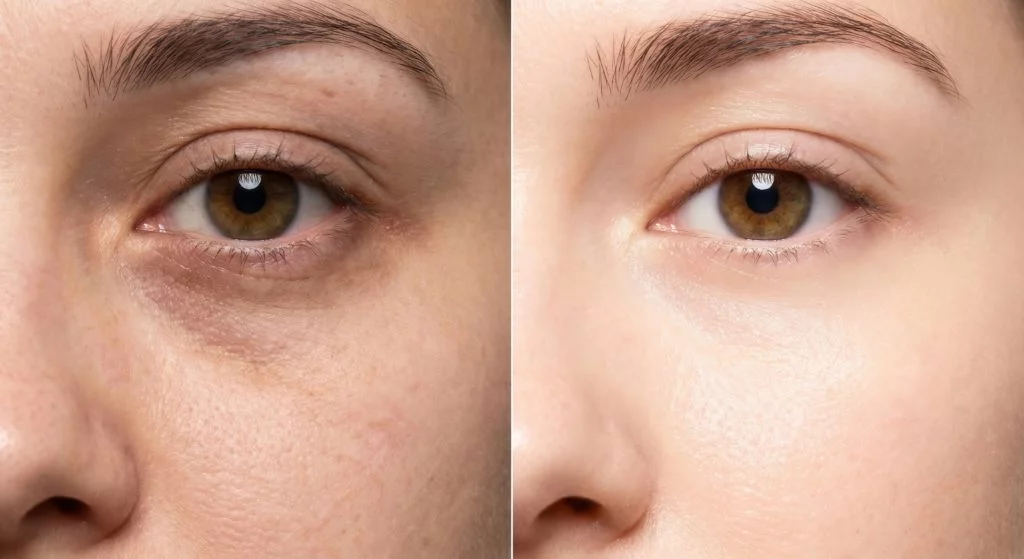
Dark under-eye circles remain one of the most common cosmetic skin concerns in 2026. They can make the face appear fatigued even after a full night of sleep. More importantly, dark circles are not always caused by tiredness. Genetics, pigmentation, allergies, dehydration, sun exposure, visible blood vessels, and changes in facial volume can all contribute to the appearance of darkness beneath the eyes.
Understanding the underlying cause is the foundation of effective treatment. Once the type of dark circle has been identified, treatment can be selected more precisely rather than relying on products that may not address the actual problem.
What Causes Dark Under-Eye Circles?
The skin surrounding the eyes is exceptionally thin and delicate. Because it contains less protective tissue than many other facial areas, underlying blood vessels and anatomical structures can be more visible.
Genetics can play a substantial role. Some people naturally have thinner skin or increased pigmentation around the eyes, making dark circles noticeable even during periods of adequate rest.
Lifestyle factors may also exacerbate the problem. Poor sleep, dehydration, prolonged screen use, stress, and frequent eye rubbing can make the under-eye area look dull or shadowed. Allergies can contribute as well, particularly when congestion and repeated rubbing cause irritation.
Sun exposure is another important consideration. Ultraviolet radiation can stimulate melanin production, potentially making brown pigmentation around the eyes more prominent over time.
Different Types of Dark Circles
Dark circles are not a single condition. Their appearance can vary depending on the mechanism responsible.
Pigmented Dark Circles
Brown or tan discoloration usually indicates a stronger pigmentary component. Genetics, inflammation, and ultraviolet exposure can all influence melanin production in the area.
Sun protection and carefully selected brightening skincare may be useful for this type, although persistent pigmentation may require professional treatment.
Vascular Dark Circles
Blue, purple, or reddish coloration may occur when blood vessels beneath the thin under-eye skin become more visible. Fatigue, allergies, and naturally translucent skin can accentuate this appearance.
Because the underlying mechanism differs from pigmentation, a treatment designed specifically for melanin may not provide substantial improvement.
Structural Dark Circles
Sometimes the darkness is actually a shadow. Tear-trough hollows, orbital anatomy, and changes in facial volume can create a darker appearance beneath the eyes even when there is little actual pigmentation.
This distinction is particularly important because topical products cannot completely eliminate a shadow caused by facial structure.
Skincare for Under-Eye Circles
A consistent skincare routine is an important starting point for many people. Gentle cleansing and adequate moisturization can help maintain the skin barrier and reduce dryness that may emphasize fine lines.
Daily broad-spectrum sunscreen is particularly valuable. Protecting the area from ultraviolet exposure can help prevent pigmentation from becoming more pronounced.
Some formulations contain ingredients such as vitamin C or niacinamide, which are commonly used to support a brighter, more even-looking complexion. Carefully formulated retinoid products may also support skin renewal and texture.
However, the eye area requires particular caution. Strong active ingredients can cause irritation when applied too aggressively, and irritation can sometimes make discoloration more noticeable.
Professional Dark Circle Treatments
When home skincare produces limited improvement, professional options may be considered. The appropriate Dark eye circle treatment depends on whether the dominant issue is pigmentation, vascular visibility, skin texture, or structural shadowing.
A dermatologist can examine the area and determine which mechanism appears most prominent. This can help prevent unnecessary procedures and create a more targeted treatment plan.
Professional options may include chemical peels, selected laser procedures, and treatments designed to improve skin texture or address structural concerns.
Pico Laser for Pigmentation
Laser technology has become an increasingly discussed option for certain types of pigmentation. Among modern approaches, pico laser treatment uses exceptionally short laser pulses to target pigment.
Rather than relying primarily on prolonged thermal exposure, picosecond technology delivers energy in extremely brief intervals. Depending on the laser system, skin type, and pigmentation being treated, this approach may be considered for selected pigmentary concerns.
Not every dark circle is suitable for laser treatment. Structural shadows and certain vascular concerns require different strategies, while darker skin types may require particularly careful treatment planning to reduce the risk of unwanted pigmentation.
Professional assessment should therefore precede any laser procedure involving the delicate under-eye region.
Chemical Peels and Other Options
Selected chemical peels may help address superficial pigmentation and uneven skin tone. However, the skin around the eyes is considerably more sensitive than many other facial areas, so professional supervision is important.
For structural dark circles, the treatment strategy can be entirely different. If hollowness creates the appearance of darkness, a dermatologist or qualified aesthetic medical professional may evaluate whether an anatomical approach could be appropriate.
The objective is not simply to make the skin lighter. It is to address the mechanism responsible for the visual darkness.
How Long Does Treatment Take?
Treatment timelines vary considerably. Skincare generally requires consistent use over an extended period before noticeable changes become apparent. Professional procedures may produce changes sooner, but multiple sessions can sometimes be necessary depending on the condition being treated.
Results also depend on genetics, skin characteristics, sun exposure, lifestyle habits, and the severity of the discoloration.
Patience is therefore essential. Attempting to accelerate results by combining numerous strong products can irritate the sensitive eye area and potentially create additional problems.
Preventing Dark Circles From Returning
Maintaining results involves more than completing a treatment. Daily sun protection, sufficient sleep, hydration, gentle skincare, and avoiding unnecessary eye rubbing can all support the appearance of healthier under-eye skin.
Managing allergies can also be beneficial for individuals who frequently experience congestion or irritation around the eyes.
A simple routine is often more sustainable than an elaborate regimen containing numerous active ingredients. Consistency is the cornerstone.
Can Dark Circles Be Removed Permanently?
Permanent removal is not always realistic because some dark circles are strongly influenced by genetics or facial anatomy. Pigmentation may also return with continued sun exposure or inflammation.
Nevertheless, significant improvement can often be achieved when treatment is matched to the underlying cause. The most effective approach in 2026 is increasingly individualized, combining appropriate skincare, lifestyle measures, and professionally selected procedures when necessary.
Understanding the distinction between pigmentation, vascular coloration, and structural shadowing makes it easier to approach dark circles systematically. Instead of treating every under-eye concern in the same way, identifying its specific characteristics provides a more rational path toward brighter, healthier-looking skin.