Hyperbaric oxygen therapy and its role in hyperbaric treatment for stroke recovery
The aftermath of a stroke often leaves individuals and their families searching for therapeutic avenues that extend beyond standard rehabilitative protocols. While physical, occupational, and speech therapies remain the cornerstones of post-stroke care, emerging interest in adjunctive treatments has brought significant attention to the potential of hyperbaric medicine. Specifically, the use of hyperbaric oxygen therapy has become a subject of intense investigation for its ability to support neural repair and potentially improve functional outcomes in the months and years following a neurological event.
Understanding the Physiological Basis of Hyperbaric Intervention
To understand why this approach is considered for those navigating the post-stroke landscape, one must first look at the biology of the brain following an injury. When a stroke occurs, a region of the brain is deprived of oxygenated blood, leading to the death of cells in the core area of the injury. Surrounding this core is a zone known as the “penumbra”—an area where cells are stressed and dormant due to lack of blood flow, but not yet dead.
Conventional medicine focuses on restoring blood flow as quickly as possible. However, even after blood flow is re-established, these penumbral cells often remain inactive, existing in a state of metabolic hibernation. Hyperbaric oxygen therapy functions by delivering oxygen at pressures higher than those found at sea level. This process significantly increases the amount of oxygen dissolved in the blood plasma, allowing oxygen to reach areas of the brain where circulation may be compromised. By flooding these dormant cells with a high concentration of oxygen, the therapy aims to provide the necessary fuel to jumpstart metabolic processes and support the regeneration of damaged neurological pathways.
The Scope of Hyperbaric Treatment for Stroke Recovery
It is critical to approach this modality with a nuanced perspective. Hyperbaric treatment for stroke recovery is not a replacement for traditional neuro-rehabilitation, nor is it a guaranteed “cure.” Instead, it is best viewed as a supportive, biological tool designed to optimize the brain’s internal environment for recovery.
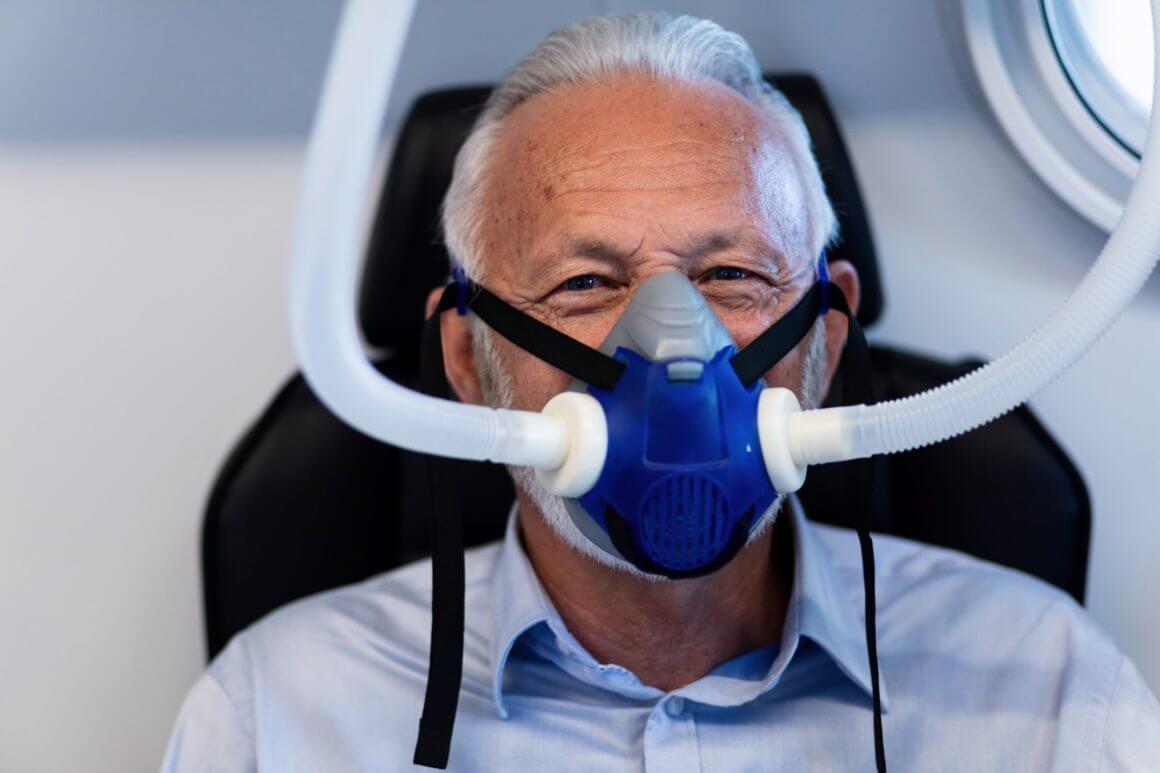
In a clinical setting, a session involves the patient resting in a pressurized chamber for a set duration, typically ranging from 60 to 90 minutes. The increased atmospheric pressure forces oxygen into tissues that are otherwise difficult to perfuse. For a stroke survivor, this may manifest as improvements in cognitive clarity, increased energy levels, or enhanced motor function. Because the brain is highly metabolic, providing it with an “oxygen surplus” can theoretically reduce the chronic inflammation that often persists long after the initial injury, clearing the way for neuroplasticity—the brain’s remarkable ability to reorganize itself by forming new neural connections.
Distinguishing Between Acute and Chronic Recovery Phases
The timing of intervention is a vital consideration for those seeking hyperbaric oxygen therapy. In the immediate, acute phase following a stroke, emergency medical teams are focused on clot-busting or surgical intervention to save tissue. The role of hyperbarics is more frequently explored in the sub-acute and chronic stages—often months or even years after the incident.
Research into hyperbaric treatment for stroke recovery suggests that the window for improvement may be wider than previously believed. While the most rapid recovery typically occurs in the first six months, the brain retains a degree of plasticity indefinitely. Patients who have reached a plateau in their traditional physical therapy sessions often turn to this oxygen-based approach to provide the physiological “push” needed to break through that barrier. By addressing the cellular health of the brain, patients may find they have more stamina for their ongoing rehabilitative exercises, creating a synergistic effect between the two modes of care.
Evaluating Potential Outcomes and Patient Selection
Not every stroke survivor is an ideal candidate for this therapy, and a thorough assessment by a medical professional is necessary before beginning any protocol. The decision to pursue hyperbaric oxygen therapy typically depends on the nature of the stroke (ischemic versus hemorrhagic), the patient’s overall health profile, and the presence of any contraindications such as chronic obstructive pulmonary disease, certain ear issues, or uncontrolled seizures.
Patients often report improvements in quality of life metrics, such as:
- Increased physical endurance during rehabilitation tasks.
- Reduced spasticity in affected limbs.
- Better word-finding abilities or improved speech clarity.
- Reduction in the “brain fog” or mental fatigue that often accompanies long-term recovery.
However, these results are subjective and vary widely. The effectiveness of hyperbaric treatment for stroke recovery is often tied to the number of sessions completed. Most clinical protocols involve a “course” of treatment—frequently 30 to 60 sessions—to observe tangible changes in neurological function. Consistency is essential, as the goal is to trigger long-term physiological changes rather than temporary relief.
The Importance of a Multidisciplinary Approach
If you or a loved one is considering this treatment, it is important to integrate it into a broader plan of care. The most successful outcomes are almost always observed in patients who continue their rigorous physical, occupational, and speech therapy routines alongside their sessions.
Furthermore, seeking a provider who understands the specific nuances of neurological recovery is paramount. A facility offering hyperbaric oxygen therapy should be able to communicate clearly with your existing care team, including neurologists, physiatrists, and primary care physicians. Transparency regarding expectations is a hallmark of a professional clinical environment; a reputable practitioner will prioritize your long-term safety and coordinate with your specialists to ensure that this treatment complements, rather than interferes with, your primary rehabilitation goals.
Beyond the Chamber: Lifestyle and Recovery Support
While oxygen therapy addresses the physiological foundations of the brain, it works most effectively when paired with a supportive lifestyle. Nutritional support—specifically diets rich in anti-inflammatory antioxidants—can help protect the brain from further oxidative stress. Additionally, structured cognitive exercises and physical movement help “train” the new neural connections that the brain is attempting to forge.
For those in the community navigating the long journey of post-stroke rehabilitation, the addition of hyperbaric treatment for stroke recovery represents a shift toward a more proactive, biological approach to healing. It acknowledges that the brain is not a static organ but a dynamic system capable of repair, given the right conditions and resources.
By leveraging the power of pressure and oxygen, patients and their families are finding new ways to reclaim independence and improve daily function. While the journey is rarely linear, the commitment to exploring evidence-based, supportive therapies ensures that every possible avenue for improvement is being utilized. As the understanding of neuro-regeneration continues to evolve, this therapy remains a compelling option for those committed to maximizing their recovery potential and enhancing their neurological resilience well into the future.