Bright Smiles, Happy Lives: Transforming Dental Care One Smile at a Time

Bright Smiles, Happy Lives: Transforming Dental Care One Smile at a Time
Dental health is more than just a confident smile—it’s a cornerstone of overall well-being. From preventing painful cavities to boosting self-esteem, good oral hygiene plays a vital role in living a happy, healthy life. Yet, despite its importance, many people still overlook the basics of dental care, leading to long-term issues that could have been avoided. This article explores how prioritizing dental health can transform lives, one smile at a time, and offers practical tips to maintain a radiant, healthy grin for years to come.
The Connection Between Smiles and Happiness
A smile isn’t just a facial expression—it’s a powerful tool that influences emotions, social interactions, and even physical health. Research shows that smiling releases endorphins, the body’s natural feel-good chemicals, which can reduce stress and improve mood. When people feel good about their smiles, they’re more likely to engage in social activities, make stronger connections, and exude confidence. Conversely, dental issues like missing teeth, discoloration, or bad breath can lead to self-consciousness, social withdrawal, and even depression.
Beyond aesthetics, a healthy smile contributes to better overall health. Poor oral hygiene has been linked to serious conditions such as heart disease, diabetes, and respiratory infections. By taking care of your teeth and gums, you’re not just preserving your smile—you’re safeguarding your entire body. Investing in dental care today means investing in a happier, healthier future.
Common Dental Issues and Their Solutions
Many dental problems are preventable with the right habits and regular check-ups. Here are some of the most common issues and how to address them:
- Tooth Decay (Cavities): Caused by plaque buildup and sugary foods, cavities can lead to pain and tooth loss if untreated. Prevention includes brushing twice daily, flossing, and limiting sugary snacks. Regular fluoride treatments and dental sealants can also help protect teeth.
- Gum Disease: Early-stage gum disease (gingivitis) is reversible with proper oral hygiene. If left untreated, it can progress to periodontitis, leading to tooth loss. Signs include red, swollen gums that bleed easily. Professional cleanings and improved brushing techniques can reverse it.
- Tooth Sensitivity: Worn enamel or receding gums can cause sharp pain when eating hot or cold foods. Using desensitizing toothpaste, avoiding acidic foods, and consulting a dentist for protective treatments can help.
- Bad Breath (Halitosis): Often caused by poor oral hygiene, dry mouth, or underlying health issues. Brushing, flossing, tongue scraping, and staying hydrated can reduce bad breath. If it persists, a dental check-up can identify underlying causes.
- Misaligned Teeth: Crooked or crowded teeth can affect chewing, speech, and self-esteem. Orthodontic treatments like braces or clear aligners (e.g., Invisalign) can straighten teeth and improve oral function.
The Power of Preventive Care
Prevention is the most effective way to maintain a bright smile. Instead of waiting for dental problems to arise, adopting a proactive approach can save time, money, and discomfort in the long run. Here’s how to build a solid preventive care routine:
- Brush Properly: Use a soft-bristled toothbrush and fluoride toothpaste. Brush for at least two minutes, covering all surfaces of your teeth. Angle the brush at 45 degrees to your gums and use gentle, circular motions.
- Floss Daily: Flossing removes plaque and food particles between teeth that brushing misses. If traditional floss is difficult to use, consider water flossers or interdental brushes.
- Visit the Dentist Regularly: Even with excellent home care, professional cleanings every six months are essential. Dentists can detect early signs of cavities, gum disease, or oral cancer before they become serious.
- Eat a Balanced Diet: Limit sugary and acidic foods that erode enamel. Instead, opt for calcium-rich foods (dairy, leafy greens), crunchy fruits and vegetables (apples, carrots), and plenty of water to rinse away debris.
- Use Mouthwash: An antimicrobial mouthwash can reduce bacteria, freshen breath, and strengthen teeth with fluoride. Choose alcohol-free options to avoid dry mouth.
Modern Advances in Dental Care
Dentistry has evolved significantly in recent years, offering innovative solutions to enhance oral health and aesthetics. From painless procedures to cutting-edge technology, today’s dental care is more accessible and effective than ever:
- Digital X-Rays: These provide high-resolution images with up to 90% less radiation than traditional X-rays. They help dentists detect issues like cavities, bone loss, and impacted teeth more accurately.
- Laser Dentistry: Lasers are used for procedures like gum reshaping, cavity detection, and teeth whitening. They minimize pain, reduce healing time, and eliminate the need for anesthesia in many cases.
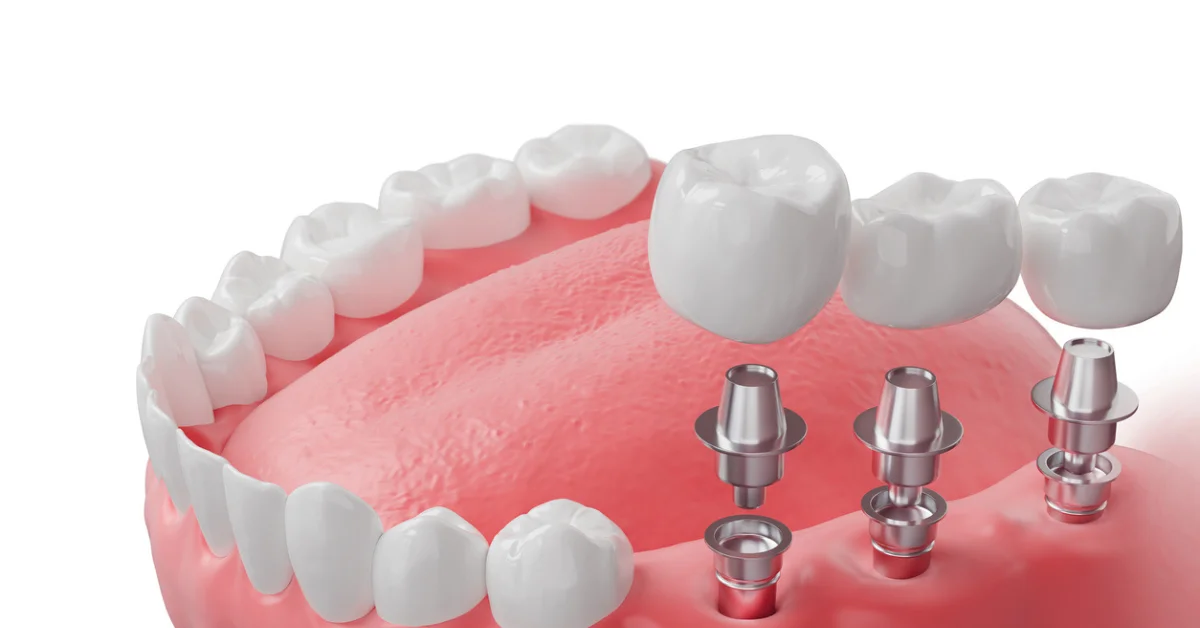
- 3D Printing and CAD/CAM: These technologies allow for same-day crowns, bridges, and dental implants. Custom-made restorations fit perfectly and are fabricated in-house for convenience.
- Teledentistry: Virtual consultations enable patients to receive professional advice, second opinions, or post-operative care without visiting a clinic. This is especially helpful for those in remote areas or with mobility challenges.
- Cosmetic Dentistry: Procedures like veneers, bonding, and teeth whitening can transform smiles dramatically. They not only improve appearance but also boost confidence and social interactions.
Affordable Dental Care: Breaking Down Barriers
Despite its importance, dental care remains out of reach for many due to cost concerns. However, there are ways to make quality dental services more accessible:
- Dental Insurance: Many plans cover preventive care like cleanings and X-rays at 100%. Some even offer discounts on orthodontics or cosmetic procedures. Check with employers or private insurers for affordable options.
- Dental Savings Plans: These membership-based plans offer discounted rates on various treatments in exchange for an annual fee. They’re a great alternative for those without insurance.
- Community Clinics and Dental Schools: Non-profit clinics and teaching institutions often provide low-cost or sliding-scale services. Dental schools, in particular, offer treatments performed by supervised students at reduced prices.
- Payment Plans: Many dentists offer in-house financing or third-party payment options (e.g., CareCredit) to spread out the cost of treatments over time.
- Preventive Focus: The best way to save money is to prevent problems before they start. Regular check-ups and cleanings catch issues early, avoiding costly procedures like root canals or extractions.
Encouraging a Lifetime of Healthy Smiles
Dental care isn’t just for adults—it’s a lifelong commitment that starts in childhood. Parents play a crucial role in shaping their children’s oral health habits. Here’s how to instill good dental practices early:
- Start Early: Begin cleaning your baby’s gums with a soft cloth even before their first tooth appears. Once teeth emerge, use a small, soft-bristled brush with a smear of fluoride toothpaste.
- Make Brushing Fun: Use flavored toothpaste, sing songs, or create a reward system to encourage kids to brush for two minutes. Apps with timers and characters can make the process engaging.
- Lead by Example: Children mimic their parents’ behaviors. Brush and floss together as a family to demonstrate the importance of oral hygiene.
- Limit Sugary Treats: Reduce soda, candy, and sticky snacks that promote tooth decay. Offer healthier alternatives like cheese, nuts, or fruit.
- Schedule Regular Check-Ups: The American Dental Association recommends a child’s first dental visit by age one. Early visits help acclimate kids to the dentist and catch issues like early childhood cavities.
Overcoming Dental Anxiety
For many people, dental visits are a source of anxiety, often due to fear of pain, needles, or judgment. However, avoiding the dentist only worsens dental problems and increases anxiety over time. Here’s how to manage dental fear and make appointments more comfortable:
- Choose the Right Dentist: Look for a dentist who specializes in treating anxious patients. Ask about their approach to pain management and whether they offer sedation options.
- Communicate Your Fears: Dentists are trained to help patients feel at ease. Share your concerns openly so they can tailor the experience to your needs.
- Use Relaxation Techniques: Deep breathing, meditation, or listening to music during the appointment can distract from discomfort.
- Start Small: If you’re extremely nervous, begin with a simple check-up and cleaning before moving on to more involved procedures.
- Consider Sedation Dentistry: Options like nitrous oxide (laughing gas), oral sedatives, or IV sedation can help patients relax during treatments. Discuss these with your dentist to find the best fit.
The Ripple Effect of a Healthy Smile
A healthy smile extends beyond personal health—it impacts relationships, career opportunities, and societal perceptions. Studies show that people with attractive smiles are perceived as more trustworthy, confident, and successful. In professional settings, a bright smile can enhance first impressions and improve networking potential. Socially, a radiant grin fosters connections and reduces social anxiety.
Moreover, communities benefit when oral health is prioritized. Schools with dental health programs report fewer absences due to tooth pain, while workplaces with wellness initiatives see increased productivity and morale. By transforming dental care one smile at a time, we create a ripple effect that enhances lives on a broader scale.
Final Thoughts: Your Smile, Your Legacy
Your smile is a reflection of your health, confidence, and happiness. By adopting a proactive approach to dental care, you’re not just preserving your teeth—you’re investing in a better quality of life. Whether it’s through preventive habits, modern treatments, or overcoming dental anxiety, every step toward better oral health is a step toward a brighter future.
Remember, dental care is a journey, not a destination. It’s about making small, consistent efforts that add up to lasting change. So take the first step today: book that dental appointment, switch to a fluoride toothpaste, or simply flash a smile in the mirror. Because when you prioritize your smile, you’re prioritizing a happier, healthier you.
Here’s to bright smiles and happy lives—one transformation at a time!