How Soil Moisture Meters and Soil pH Meters Help Improve Soil Testing
Healthy soil plays an important role in supporting plant growth, agriculture, landscaping, gardening, and crop production. However, soil conditions can vary significantly depending on moisture levels, pH, weather, irrigation, and the type of soil being managed.
Regular soil testing can help identify these conditions and provide useful information for irrigation and soil management. Two practical tools used for this purpose are a Soil Moisture Meter and a Soil pH Meter. While one measures the moisture content of soil, the other helps determine whether soil is acidic, neutral, or alkaline.
Understanding how these instruments work can help users make better-informed decisions about soil care.
Why Soil Moisture Matters
Water is essential for plant growth, but both insufficient and excessive moisture can create problems. Dry soil can limit water availability to plant roots, while excessive moisture can contribute to poor aeration and unfavorable growing conditions.
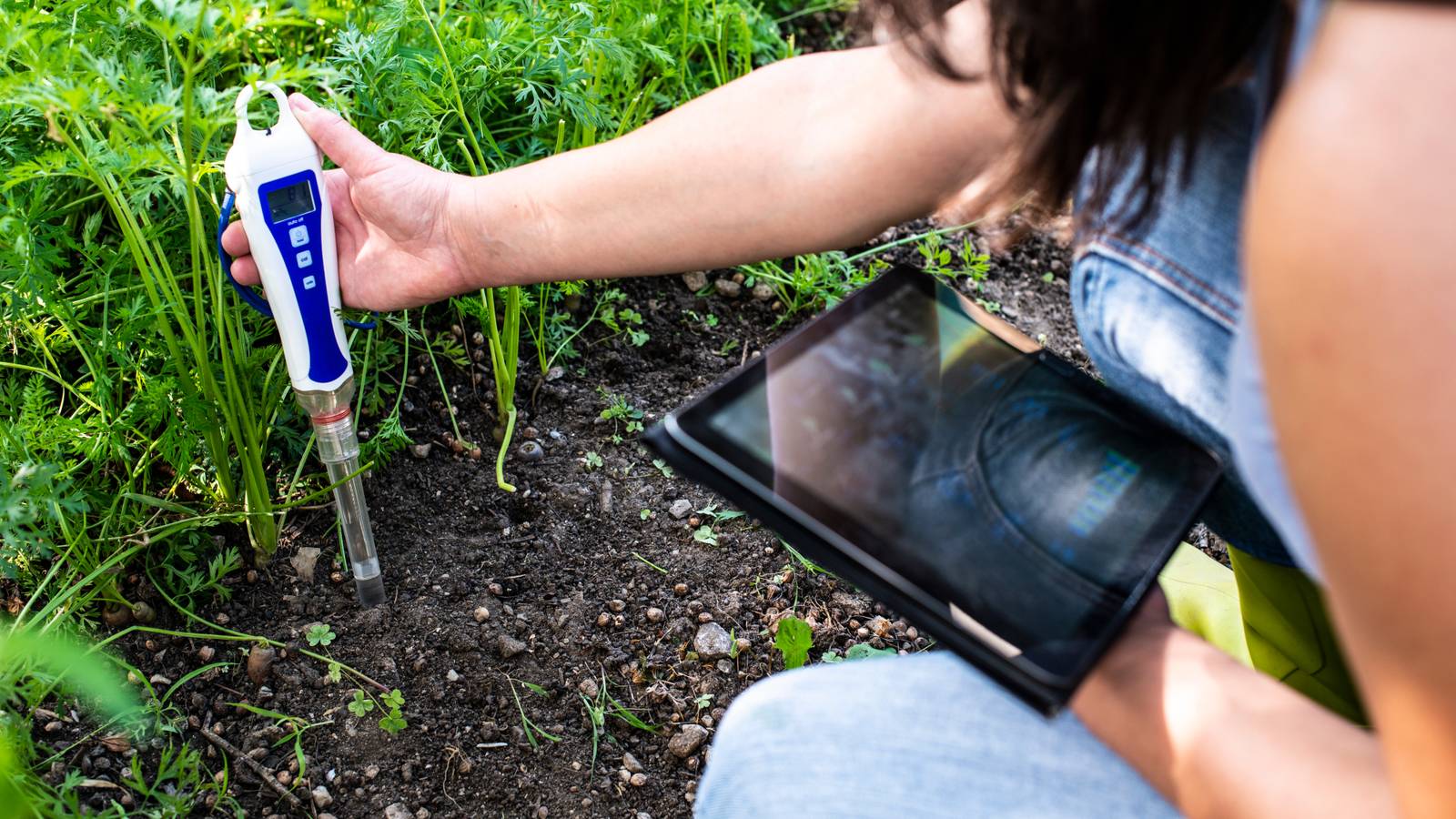
A Soil Moisture Meter provides a convenient way to check soil moisture levels. Instead of relying only on visual observation, users can take measurements to understand whether the soil requires additional watering.
This can be particularly useful for gardens, nurseries, agricultural applications, landscaping projects, and greenhouse environments.
Benefits of Using a Soil Moisture Meter
A soil moisture meter can make routine soil monitoring more convenient. Depending on the type of instrument, users can insert the probe into the soil and obtain a moisture reading.
Key benefits include:
- Quick and convenient moisture checks
- Helps support more informed irrigation decisions
- Useful for routine monitoring
- Portable options for different locations
- Can help reduce unnecessary watering
The appropriate instrument should be selected according to the soil type, application, required measurement range, and testing conditions.
Understanding Soil pH
Soil pH is another important factor in plant and soil management. It indicates the acidity or alkalinity of the soil and can influence nutrient availability and plant growth conditions.
A Soil pH Meter is designed to measure soil pH and provide a numerical reading. This can help users understand the current condition of the soil and determine whether further soil management may be necessary.
Different plants have different pH preferences, so measuring soil pH can be useful when selecting plants or managing growing conditions.
How a Soil pH Meter Can Help
Using a soil pH meter provides a more direct measurement than estimating soil conditions based on appearance alone. Regular measurements can help users monitor changes in soil conditions over time.
Soil pH testing can be useful in:
- Agricultural fields
- Home gardens
- Greenhouses
- Nurseries
- Landscaping
- Horticultural applications
- Soil research and educational settings
For reliable measurements, users should follow the instrument manufacturer’s instructions for sample preparation, testing, cleaning, and maintenance.
Soil Moisture and pH Work Together
Soil moisture and soil pH measure different characteristics, but both can contribute to a broader understanding of soil conditions.
For example, a gardener may use a Soil Moisture Meter to determine whether plants need watering and a Soil pH Meter to understand the acidity or alkalinity of the soil. Monitoring both parameters can provide more useful information than relying on a single measurement.
The frequency of testing depends on the application, environmental conditions, soil characteristics, and management practices.
Choosing the Right Soil Testing Instrument
When purchasing soil testing equipment, consider factors such as measurement range, accuracy, probe design, ease of use, durability, and intended application.
Users should also consider whether the instrument is designed for routine field testing, greenhouse use, laboratory applications, or general gardening.
Following proper operating and maintenance procedures is equally important. Keeping probes clean and using the equipment according to manufacturer recommendations can help maintain consistent readings.
Explore Soil Testing Solutions from R Instruments
R Instruments offers testing products designed for a variety of measurement and laboratory applications. Its range of products can support users looking for practical solutions for monitoring and testing different parameters.
When selecting a Soil Moisture Meter or Soil pH Meter, users should evaluate their specific testing requirements and choose an instrument that matches the intended application.
Make Soil Testing Part of Regular Management
Understanding soil conditions can help support better irrigation, gardening, agricultural, and horticultural practices. A Soil Moisture Meter can provide useful information about water availability in soil, while a Soil pH Meter can help determine soil acidity or alkalinity.
Using these instruments as part of regular soil monitoring can provide measurable information that supports more informed soil-management decisions.
To explore testing instruments and solutions for different measurement applications, visit Rinstruments.